Leafy Herbs: A Botanical Typeface
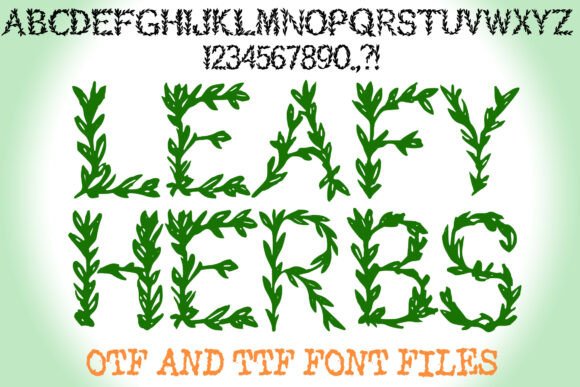
When redesigning a lifestyle blog’s header, I found myself drawn to Leafy Herbs, a decorative font that feels like a breath of fresh air. Its hand-drawn leaf details add a natural elegance that complements the organic themes of the site. This typeface isn’t just about style—it brings a sense of calm and connection to every line of text it touches.
Leafy Herbs has a distinct personality. Each letter is infused with subtle botanical elements, making it feel alive and dynamic. The rhythm of the characters flows smoothly, creating a visual harmony that’s both playful and refined. It’s ideal for projects that aim to evoke a sense of nature, wellness, or creativity without sacrificing readability.
Using Leafy Herbs in Editorial Design
In a recipe ebook, Leafy Herbs shines as a title font. Its lush details make the cover feel inviting, while its legibility ensures that readers can easily scan through content. For a wedding guide, the font adds a touch of whimsy to headings and pull quotes, reinforcing the theme of celebration and love.
It also works well in newsletter headers and printable guides. When paired with a clean serif font for body copy, Leafy Herbs becomes a strong visual anchor, guiding the reader’s eye through the content. Its decorative accents are subtle enough to not distract from the message but bold enough to stand out on a page.
Supporting Visual Hierarchy and Mood
One of the strengths of Leafy Herbs is its ability to support visual hierarchy. As a display font, it excels at drawing attention to key sections—like chapter openers or section headings—without overwhelming the reader. Its soft curves and organic shapes create a warm, approachable mood that resonates with audiences looking for a more humanized design experience.
For long-form content, it’s best used sparingly. While it adds character to titles and subheadings, it may not be the most practical choice for body text. However, when used in combination with a readable sans serif or serif font, it enhances the overall aesthetic of the layout, offering a balance between form and function.
Practical Applications and Pairings
Leafy Herbs pairs beautifully with classic serif fonts like Georgia or Playfair Display, creating a contrast that highlights its unique details. For modern typography, it works well alongside a clean sans serif like Lato or Open Sans, especially in digital magazines or web layouts where clarity is essential.
In packaging design or social media graphics, Leafy Herbs can serve as a logo font, adding a personal touch to brand identities. Its multilingual support makes it versatile for international publications, while its commercial licensing allows for use in paid newsletters, templates, and client projects without concern.
Considerations for Different Media
When using Leafy Herbs in print materials, it’s important to ensure that the font scales well at different sizes. On screens and mobile devices, its intricate details may appear less sharp, so it’s best reserved for headings and decorative elements rather than large blocks of text. In PDF exports, the font should render consistently across platforms, making it a reliable choice for downloadable content.
For printable planners or worksheets, Leafy Herbs adds a charming touch to headers and section dividers. It helps create a cohesive look that feels intentional and thoughtfully designed. Whether used in a coaching workbook or a digital course PDF, it reinforces the brand’s identity and enhances the user experience.
Final Thoughts on Leafy Herbs
Leafy Herbs is more than just a decorative font—it’s a tool for storytelling. Its natural aesthetic invites readers into a world that feels connected to the earth, making it an excellent choice for editorial projects that prioritize mood and atmosphere. From blog headers to ebook covers, it offers a fresh perspective on how typography can shape the reading experience.
As I continue to explore its potential, I’m reminded that the right font can transform a layout from good to unforgettable. Leafy Herbs is a testament to the power of thoughtful design, proving that even the smallest details can have a lasting impact.