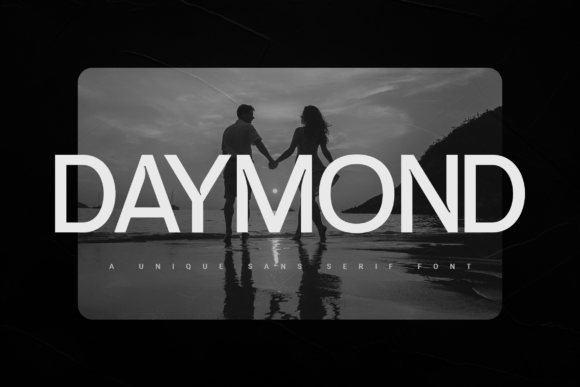
Daymond Font: Modern, Professional, and Practical
As a small business owner, I know how important it is for your brand to look consistent and professional across every touchpoint. That’s why I’ve been using Daymond, a modern sans serif font that brings a clean, elegant feel to everything from logos to social media posts. It’s not just another font—it’s a tool that helps your brand stand out in a crowded market.
Daymond has a minimalist aesthetic with just the right amount of character. It’s designed to be both readable and visually appealing, making it perfect for businesses that want to communicate clarity and style without overcomplicating things. Whether you’re creating a logo, designing packaging, or updating your website, Daymond offers a versatile foundation that works in a variety of contexts.
How Daymond Helps Your Brand Look Professional
One of the biggest challenges for small businesses is maintaining a cohesive look across all materials. Daymond makes this easier because it’s consistent in weight, spacing, and overall structure. This means your branding will look sharp whether it’s on a business card, a product label, or a digital ad.
For example, if you run a boutique or an online shop, using Daymond for your product labels and packaging can create a sense of quality and attention to detail. It gives customers the impression that your brand is thoughtful and well-designed, even if you’re working with a limited budget.
It also works great for service-based businesses like coaching, consulting, or fitness training. Using Daymond in your marketing materials, such as flyers or email newsletters, helps reinforce a sense of professionalism and reliability. People are more likely to trust a brand that looks polished and put-together.
Real-World Applications for Daymond
Daymond isn’t just for logos or headings. It’s a flexible font that can be used throughout your entire brand identity. For instance, if you own a café, you could use Daymond for your menu design, signage, and social media graphics. The clean lines make it easy to read on mobile screens, which is essential for Instagram posts or Facebook ads.
If you’re a handmade product seller, Daymond can help your packaging stand out. Imagine using it for a candle label or a skincare product box. It adds a modern, sophisticated feel that appeals to customers looking for high-quality, curated items.
Even in digital spaces, Daymond shines. Whether you’re designing a website banner or creating Pinterest graphics, it maintains its readability and visual appeal. It’s a font that adapts well to different sizes and formats, making it ideal for multi-platform branding.
When to Use Daymond as a Headline or Supporting Font
Daymond works best as a headline or display font when you need something bold and eye-catching. Its clean design allows it to stand out without being overwhelming. For example, using it for a blog title, a product name, or a promotional banner can draw attention while keeping the overall design simple.
But don’t underestimate its power as a supporting typeface. Pairing Daymond with a complementary font—like a soft script or a classic serif—can add depth and contrast to your designs. This is especially useful for websites or printed materials where you need both readability and visual interest.
For instance, if you’re designing a website, you might use Daymond for your main headings and pair it with a more traditional serif font for body text. This combination creates a balanced look that’s both modern and approachable.
Readability Matters in Every Business Setting
One of the key strengths of Daymond is its readability. Whether it’s on a small label, a printed brochure, or a social media thumbnail, it remains clear and easy to read. This is crucial for businesses that rely on quick communication, like restaurants, retail stores, or event promotions.
Small businesses often have limited space for text, especially on product packaging or signage. Daymond’s consistent stroke widths and open letterforms ensure that even in tight spaces, your message is still legible. This is especially helpful for businesses that need to include multiple pieces of information—like ingredients, pricing, or contact details—in a compact format.
On digital platforms, where screen sizes vary, Daymond holds up well. It doesn’t get distorted or hard to read at smaller sizes, which is important for social media content that needs to be scannable and engaging.
Testing Daymond Before Full Implementation
Before committing to a font for your entire brand, it’s a good idea to test it in real-world scenarios. Try using Daymond in a few sample designs—like a business card, a flyer, or a website mockup—to see how it looks in different contexts.
Pay attention to how it appears on different devices and in various lighting conditions. If you’re using it for print, make sure to request a physical sample or use a high-quality printer to check the final output. This step can save you time and money down the line by ensuring the font meets your expectations.
Font Pairing Tips for Small Businesses
While Daymond is a strong standalone font, pairing it with other typefaces can enhance your brand’s visual appeal. For example, if you want to add some personality to your designs, consider pairing Daymond with a decorative or handwritten font for headlines or accents.
Alternatively, if you prefer a more classic look, pairing Daymond with a serif font can create a timeless, elegant feel. This is a great option for businesses that want to convey tradition and sophistication, such as a boutique, a bookstore, or a luxury service provider.
The key is to find a balance between style and readability. Don’t go overboard with too many fonts—stick to two or three that work well together. This keeps your branding consistent and easy to recognize.
Commercial Licensing and Font Usage
Before using any font in your business, it’s important to check the commercial licensing terms. Daymond, like most premium fonts, may have specific rules about how it can be used—for example, on products, packaging, templates, or digital downloads.
Make sure you understand what you’re allowed to do with the font, especially if you’re creating custom designs for clients or selling merchandise. Using a font incorrectly can lead to legal issues, so always review the license agreement carefully.
By choosing a font like Daymond and using it responsibly, you’re investing in a tool that supports your brand’s growth and credibility. It’s a small choice with a big impact on how your business is perceived by customers and partners alike.